
What Matters
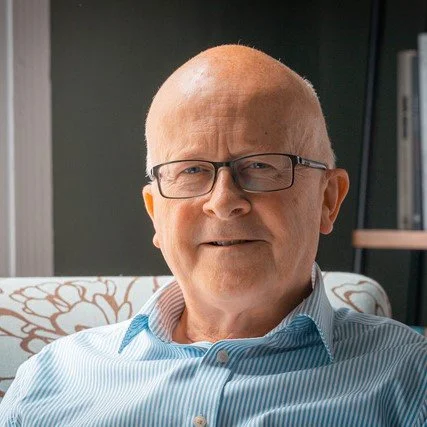
Revd Dr Chris Swift is CEO of Leeds Church Institute
Sometimes conversations take surprising turns. Many years ago, I had the privilege of meeting José Míguez Bonino, one of the founders of Liberation Theology. We met while I was working in Argentina and I wondered what weighty theological themes he would form our conversation during a meal. As it happens, having just visited the UK, he had rather a lot to say about the quality of British toilet paper.
A current theme in contextual, liberation and mujerista theologies is the everyday, or, in Spanish, ‘lo cotidiano’. For classical Western theology the everyday has more often been a topic to avoid rather than to embrace. Yet the cogent arguments of theologians in the world’s majority cultures are that God’s presence lies in the detail and grit of everyday life more evidently than in the sanitised scope of academic thought. If we ever doubted the items we class as essential, the run on loo roll at the start of the COVID-19 pandemic leaves little doubt that here is a bit of daily life we can’t do without.

While this is challenging and has the potential to marginalise many Western theologians, I have no doubt that it’s a perspective we need to hear if theology is going to survive and be useful for people. In the 1970s, at Leeds Church Institute, questions were asked in the all-male governing council about the value of work when it appeared to the Archdeacon and the Vicar of Leeds that they were ‘running an old ladies’ library’*. This dismissive attitude didn’t appear to give a second thought to what the library was offering a group of people very familiar with lo cotidiano.
“Relevant and transformative theological education needs to immerse itself in the realities on the ground rather than being obsessed with some kind of heavenly bliss that has no relevance to real people in real places”**.
Sometimes what matters is good quality toilet paper. Focusing on the things that count can take us into unexpected places and discover a theology that is embedded in hopes and fears that don’t always fit middle class expectations. The question we are asked, is whether we are truly willing to follow Christ in serving people’s actual needs, rather than what we think they should want. That commitment, listening and accompaniment, may be uncomfortable and challenging, but surely it is also where wisdom tells us to begin.